Psychological Effects of Natural Disasters and the Recovery Process: Post-Disaster Mental Health
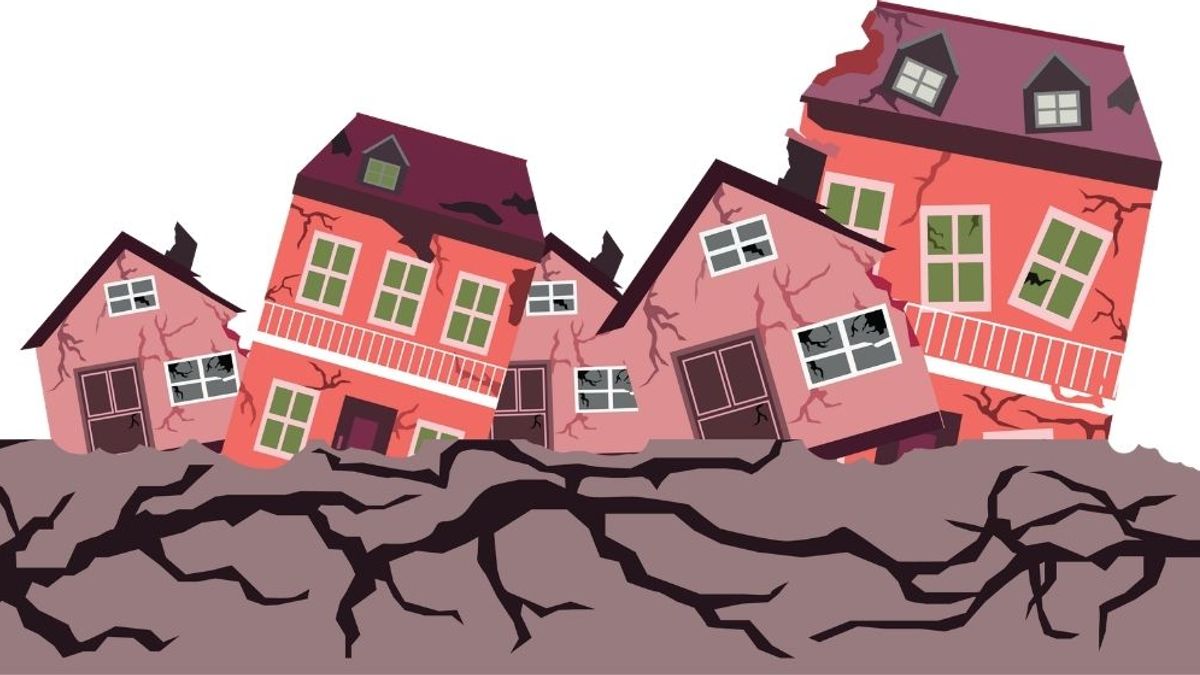
Natural disasters can sometimes strike suddenly and without warning, like earthquakes, or they can develop over time, like droughts or wildfires. Regardless of how they manifest, all disasters leave behind severe physical damage as well as deep psychological trauma and emotional crises for individuals.
The most common types of natural disasters encountered both in our country and around the world include:
- Earthquakes
- Wildfires (along with air pollution and ecological destruction)
- Floods and Inundations
- Landslides and Mudslides
- Avalanches and Severe Winter Conditions
- Droughts and Extreme Heatwaves
Directly experiencing a disaster or witnessing its effects is highly jarring for the human psyche. Recognizing the impact of disasters on mental health is the first step toward finding the right coping mechanisms for both ourselves and our loved ones.
What is Psychological First Aid (PFA)?
Implemented immediately after a disaster, Psychological First Aid (PFA) is a structured intervention method that supports the emotional recovery process. Mental health professionals define psychological first aid as "emergency medical first aid for the brain and body following a disaster."
PFA helps individuals feel safe, regain a sense of control, and connect with the support networks they need. The World Health Organization (WHO) and relevant mental health organizations state that psychological first aid reduces the stress levels of disaster survivors in both the short and long term, while strengthening their coping skills.
Short-Term Psychological Effects of Natural Disasters
It is completely normal for individuals to develop very intense and sudden emotional reactions immediately after a natural disaster. The most common acute trauma symptoms observed during this period include:
- Shock, Fear, and Confusion: The most natural and primary responses to traumatic events.
- Feelings of Helplessness and Uncertainty: Intensely observed especially in individuals who have lost their homes, routines, or loved ones.
- Physical Symptoms and Sleep Disturbances: Difficulty falling asleep, concentration problems, and high anxiety due to sudden life changes.
- Burnout among First Responders: Search and rescue teams, healthcare workers, and personnel actively serving in the field are under high stress as they are exposed to secondary trauma and physical exhaustion for prolonged periods.
Long-Term Psychological Effects of Natural Disasters
For many people, the psychological effects of disasters persist even after the immediate danger has passed. As time goes on, the following scenarios may arise:
- Chronic Anxiety, Depression, and PTSD: Depending on the severity of the experience, Post-Traumatic Stress Disorder (PTSD), chronic depression, and complicated grief processes can be triggered.
- Survivor's Guilt: A heavy sense of guilt experienced by those who survived the disaster but witnessed the massive destruction and loss around them.
- Community and Regional Grief: Damage to living spaces, neighborhood culture, and nature leads to collective grief that affects the entire community.
- Anniversary Reactions: As the dates of the disaster approach, emotional stress can escalate again due to the impact of memories and triggers (e.g., the anniversaries of major earthquakes in our country).
At this point, evidence-based psychotherapy methods (such as EMDR, Cognitive Behavioral Therapy, etc.) and, when necessary, psychiatric medication support are powerful tools for alleviating symptoms.
Protecting Mental Health and Stress Management After a Disaster
To manage the psychological distress experienced after a disaster and to build psychological resilience, the following steps can be taken:
- Develop Healthy Coping Strategies: Regular sleep, adequate nutrition, and light exercise help the body balance stress hormones. If you have prescribed psychiatric or medical medications, ensure you continue taking them regularly.
- Stay Away from Harmful Habits: Turning to alcohol or substance use to suppress the pain causes psychological trauma to become chronic in the long run.
- Do Not Cut Off Your Ties: Social support is the greatest remedy for healing. Staying connected with family, friends, solidarity networks, or participating in volunteer activities reduces feelings of loneliness.
- Choose Reliable Information Sources: Misinformation increases anxiety. Follow the announcements and statements of official institutions and experts.
- Practice a Social Media Detox: Although social media provides rapid information during disaster periods, constantly viewing unfiltered, traumatic images can lead to secondary trauma. Limit your screen time.
Long-Term Treatment and Recovery Process After Natural Disasters
Post-disaster recovery is not a linear path; it is full of ups and downs. The long-term psychosocial support process includes:
- Rebuilding Daily Routines: Returning to school, work, or daily activities within safe boundaries provides mental stabilization by sending a "life goes on" message to both children and adults.
- Tailored Mental Health Follow-up: Past traumas, chronic illnesses, or material losses increase an individual's vulnerability. Therefore, therapy processes must be tailored according to individual needs.
- Post-Traumatic Growth: The recovery process is not solely about fighting traumatic stress. Following major crises, it is also possible for individuals and communities to develop a deeper sense of awareness, empathy, and resilience. In psychology, this is called Post-Traumatic Growth. Accepting that recovery is a marathon, and showing self-compassion, is the greatest buffer in this process.
Psychological Support Resources Available in Türkiye
If you are having difficulty coping with the stress and anxiety you are experiencing, you can apply to the following institutions and non-governmental organizations providing free or professional psychosocial support in our country:
- Ministry of Health of the Republic of Türkiye: Psychiatry clinics in public hospitals and Healthy Living Centers (SHM) affiliated with Provincial Directorates of Health.
- Turkish Psychological Association (TPD): Disaster psychosocial support units and trauma studies established during disaster periods.
- Psychiatric Association of Turkey (TPD): Informational guides and guidance services intended for the public following disasters and trauma.
- AFAD and Turkish Red Crescent: Psychosocial Support Teams actively serving in the field in disaster areas.